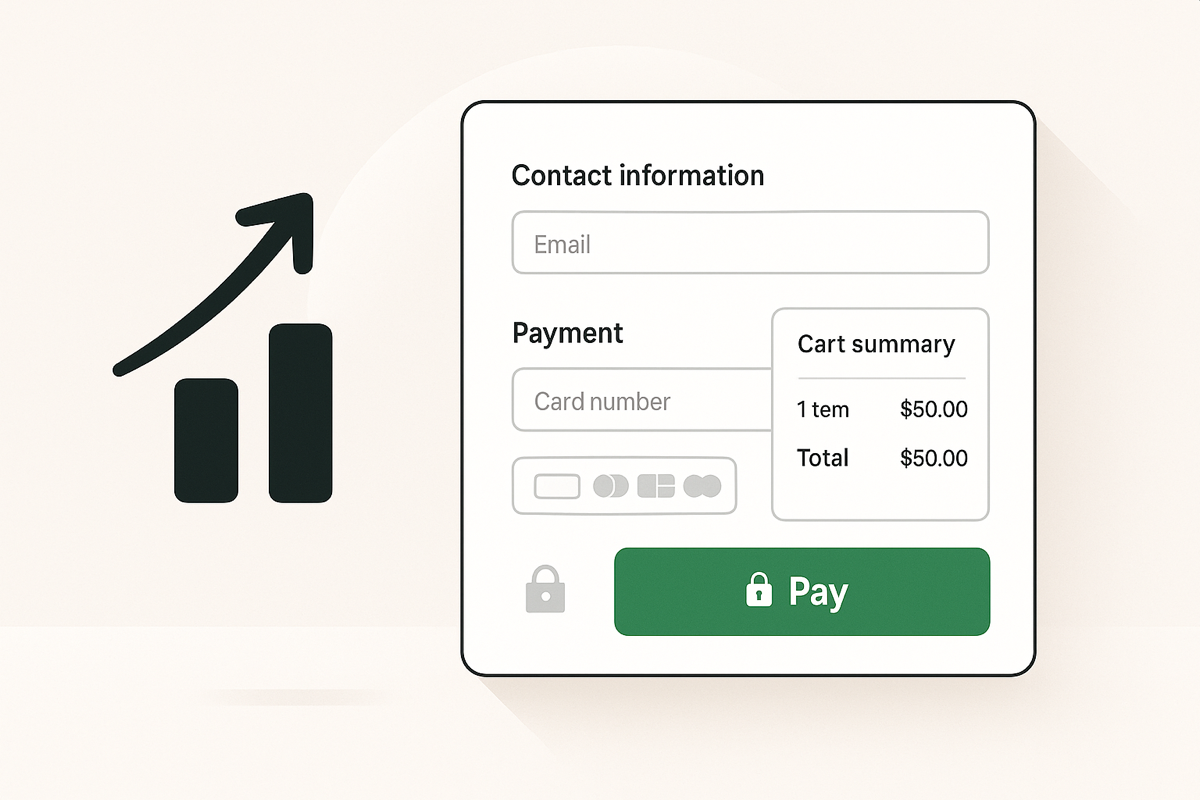
📊 Shocking Reality: The average Shopify store loses 69.8% of sales at checkout. That’s $69,800 in abandoned revenue for every $100K in potential sales. Here’s how to get that money back.
🔥 Want immediate results? Get a professional checkout optimization audit from certified Shopify Experts who’ve recovered millions in lost revenue for their clients.
As certified Shopify Experts who’ve optimized hundreds of checkout processes, we’ve discovered that most merchants are leaving massive amounts of money on the table—not because their products aren’t good enough, but because their checkout process creates unnecessary friction at the most critical moment of the customer journey.
In this comprehensive Shopify checkout optimization guide, you’ll learn the exact strategies and psychological triggers that transform abandoned carts into completed sales. Whether you’re losing 50% or 80% of potential customers at checkout, these proven techniques will help you dramatically improve your Shopify checkout conversion rates and recover lost revenue.
Understanding the Psychology of Cart Abandonment
Before diving into abandoned cart solutions, it’s crucial to understand why customers abandon their carts. It’s not random—it’s predictable behavior driven by specific psychological triggers and barriers. When you understand the “why” behind abandonment, the solutions become obvious and implementation becomes strategic rather than guesswork.
The Trust Deficit at Checkout
The moment customers reach checkout, their mindset shifts from excitement about the product to scrutiny about the transaction. This psychological transition creates what we call the “trust deficit”—a critical moment where any doubt, confusion, or friction can trigger abandonment.
Research shows that 18% of shoppers abandon carts due to trust concerns about payment security. But here’s what most merchants miss: trust isn’t just about security badges. It’s built through every micro-interaction during checkout, from loading speed to form field behavior to error message tone.
The Cognitive Load Problem
Every additional decision, form field, or step in your checkout process adds to cognitive load—the mental effort required to complete a task. When cognitive load exceeds a customer’s threshold, they abandon the process entirely, often planning to “come back later” (spoiler: they rarely do).
💡 Expert Insight: Reducing cognitive load isn’t about removing everything—it’s about strategic simplification that maintains necessary information while eliminating decision fatigue.
The Hidden Revenue Recovery Formula
Here’s a powerful framework for calculating your checkout optimization potential:
Current Lost Revenue = (Cart Value × Cart Additions × Abandonment Rate)
Recoverable Revenue = Lost Revenue × 0.35 (industry-average recovery rate with optimization)
For a store with 1,000 monthly cart additions at $150 average order value and 70% abandonment rate:
- Lost Revenue: $105,000/month
- Recoverable Revenue: $36,750/month
- Annual Recovery Potential: $441,000
This isn’t theoretical—these are real numbers our clients achieve through systematic checkout optimization.
Phase 1: Foundation Fixes for Immediate Impact
These fundamental optimizations can reduce cart abandonment by 15-25% within days of implementation. Start here for quick wins that build momentum for deeper improvements.
Guest Checkout Liberation
Forced account creation is the single biggest checkout killer, responsible for 24% of all abandonment. Yet many stores still require registration, thinking it helps build their email list. Here’s the reality: you’re trading immediate revenue for potential future engagement—a terrible exchange rate.
Implement guest checkout with these psychological principles:
- Make it the default option (not hidden behind “checkout as guest”)
- Frame account creation as a post-purchase benefit
- Use social proof: “73% of customers choose express checkout”
- Offer incentives for account creation after purchase completion
Progress Indicators That Reduce Anxiety
Uncertainty breeds abandonment. When customers don’t know how many steps remain, anxiety increases with each new page. Effective progress indicators do more than show steps—they manage expectations and reduce perceived effort.
Design progress indicators that:
- Show exact number of steps (typically 3-4 maximum)
- Use descriptive labels (“Shipping” not “Step 2”)
- Highlight completed steps to create momentum
- Display estimated time remaining (“2 minutes to complete”)
⚡ Speed Matters: Slow checkout pages kill conversions. Get your checkout optimized for speed to reduce abandonment by up to 20%.
Form Field Psychology
Every form field is a micro-conversion point where customers either continue or quit. The way you design, label, and validate fields dramatically impacts completion rates.
The Principle of Progressive Disclosure: Don’t show all fields at once. Start with essential information and progressively reveal additional fields based on previous inputs. This reduces initial overwhelm and creates commitment through small actions.
Optimize your forms with:
- Smart defaults and auto-detection (country from IP, state from zip)
- Inline validation with positive reinforcement
- Clear, friendly error messages that guide correction
- Mobile-optimized keyboards for appropriate field types
Phase 2: Advanced Psychological Triggers
Once foundations are solid, implement these sophisticated techniques that leverage behavioral psychology to guide customers toward purchase completion.
The Sunk Cost Optimization
The sunk cost fallacy—people’s tendency to continue an investment based on previously invested resources—can be ethically leveraged to reduce abandonment. The key is creating psychological investment without adding friction.
Implement sunk cost triggers through:
- Micro-commitments: Start with easy fields (email) before complex ones (payment)
- Progress celebration: “Great! You’re 60% done” messages
- Personalization touches: Use their name immediately after capture
- Visual investment: Show their selected items prominently throughout
Urgency Without Manipulation
Urgency drives action, but fake urgency destroys trust. The solution? Create authentic urgency through transparent inventory management and time-sensitive offers that provide genuine value.
Effective urgency strategies:
- Real inventory counts: “Only 3 left in stock”
- Cart reservation timers: “Items reserved for 15 minutes”
- Shipping deadlines: “Order within 2 hours for Friday delivery”
- Price protection: “Price guaranteed for 24 hours”
Remember: urgency should help customers make decisions they won’t regret, not pressure them into purchases they’ll return.
Social Proof at Critical Moments
Social proof is powerful throughout the shopping journey, but it’s absolutely critical at checkout. When doubt peaks, seeing others’ positive experiences provides the reassurance needed to proceed.
Strategic social proof placement:
- Recent purchase notifications: “Sarah from Boston just purchased [product]”
- Security testimonials near payment fields
- Trust badges from recognized authorities
- Customer count: “Join 50,000+ satisfied customers”
Phase 3: Technical Optimizations That Convert
Technical issues cause 28% of cart abandonment, yet most merchants focus only on design. These backend optimizations ensure your checkout performs flawlessly under pressure.
Mobile Checkout Mastery
With 55% of ecommerce traffic coming from mobile devices, your mobile checkout experience directly impacts your bottom line. Yet most Shopify stores treat mobile as an afterthought, simply shrinking desktop designs rather than reimagining the experience.
📱 Mobile Reality Check: Mobile users have different needs, contexts, and constraints. They’re often multitasking, in transit, or have limited time. Your checkout must accommodate these realities.
Critical mobile optimizations:
- Single-column layouts that eliminate horizontal scrolling
- Thumb-friendly button sizes (minimum 44×44 pixels)
- Auto-advance between fields to minimize taps
- Apple Pay and Google Pay integration for one-click checkout
- Persistent cart summaries that don’t require scrolling
Page Load Speed Optimization
Every second of load time costs you 7% in conversions. At checkout, this impact doubles—customers waiting for pages to load have time to reconsider their purchase.
Speed optimization priorities:
- Lazy load non-critical elements
- Optimize image sizes (product thumbnails don’t need to be HD)
- Minimize third-party scripts
- Implement smart caching strategies
- Use CDN for global performance
🚀 Get Lightning-Fast Checkout: Our speed optimization experts can reduce your checkout load time by 50% or more, directly impacting your conversion rates.
Payment Method Diversification
Different customers prefer different payment methods. Limiting options forces customers to abandon or use less-preferred methods, increasing friction and reducing trust.
Essential payment integrations:
- Digital wallets (Apple Pay, Google Pay, Shop Pay)
- Buy now, pay later options (Klarna, Afterpay)
- International payment methods for global customers
- Cryptocurrency for tech-savvy audiences
- PayPal for security-conscious shoppers
Advanced Abandoned Cart Recovery Strategies
Not all abandoned carts represent lost sales—many are recoverable with the right approach. These Shopify cart recovery strategies help you recapture revenue that would otherwise disappear.
The Multi-Touch Recovery Sequence
Single abandoned cart emails recover 10% of lost sales. Multi-touch sequences recover 30% or more. The key is varying your message, timing, and offers to address different abandonment reasons.
Email 1 (1 hour): Reminder + remove friction
- Subject: “You left something behind”
- Content: Cart contents, one-click return link
- No discount needed
Email 2 (24 hours): Address concerns + social proof
- Subject: “Questions about your order?”
- Content: FAQ, reviews, customer service contact
- Optional: Free shipping offer
Email 3 (72 hours): Create urgency + incentive
- Subject: “Your cart expires soon”
- Content: Limited-time discount, stock warnings
- Clear deadline for offer
SMS Recovery for Immediate Action
SMS recovers carts 3x faster than email, with 98% open rates. But it requires careful execution to avoid seeming intrusive.
SMS best practices:
- Get explicit consent during checkout
- Send within 1 hour of abandonment
- Keep messages under 160 characters
- Include direct checkout link
- Limit to 2 messages per abandonment
Browse Abandonment Optimization
Customers who browse but don’t add to cart represent untapped potential. Advanced tracking and retargeting can guide them back to purchase.
Browse recovery tactics:
- Dynamic retargeting ads showing viewed products
- Email sequences highlighting product benefits
- Limited-time offers on viewed items
- Cross-sell complementary products
- Educational content addressing common concerns
Measuring Success: KPIs That Matter
Optimization without measurement is guesswork. Track these metrics to ensure your improvements deliver real results.
Primary Metrics
Cart Abandonment Rate: (Carts Created – Purchases) / Carts Created × 100
- Benchmark: 70% average, 50% excellent
- Track by device, traffic source, and customer segment
Checkout Conversion Rate: Purchases / Checkout Sessions × 100
- Benchmark: 30% average, 50% excellent
- Monitor each step’s drop-off rate
Average Order Value at Checkout: Total Revenue / Number of Orders
- Track changes after optimization
- Compare guest vs. registered customers
Secondary Metrics
- Time to complete checkout (target: under 2 minutes)
- Form field error rates (identify problem areas)
- Payment failure rates (technical issues)
- Return visitor conversion rates (loyalty indicators)
- Mobile vs. desktop performance gaps
💡 Pro Tip: Set up enhanced ecommerce tracking in Google Analytics 4 for granular checkout funnel analysis.
Common Shopify Checkout Mistakes to Avoid
Learning from others’ failures accelerates your success. These mistakes kill conversions but are surprisingly common.
The Shipping Surprise
Hiding shipping costs until the final step is the #1 cause of abandonment (48% of cases). Customers feel deceived and lose trust immediately.
Solution: Display shipping estimates early, offer free shipping thresholds, and use shipping calculators on product pages.
The Coupon Code Panic
Empty coupon fields trigger “fear of missing out”—customers abandon to search for codes they don’t have.
Solution: Hide coupon fields behind a link, auto-apply available discounts, or pre-fill with “WELCOME10” for first-time customers.
The Security Theater
Overcompensating with security badges, pop-ups, and warnings makes customers suspicious, not secure.
Solution: Use subtle, recognized trust signals. Less is more when building confidence.
The Information Overload
Requesting unnecessary information “for marketing purposes” creates friction without value.
Solution: Only collect essential information. Use progressive profiling post-purchase for additional data.
Implementation Roadmap: Your 30-Day Action Plan
Systematic implementation ensures sustainable improvements without overwhelming your team or disrupting operations.
Week 1: Foundation and Quick Wins
- Enable guest checkout
- Add progress indicators
- Optimize form fields
- Install abandoned cart email sequence
Week 2: Trust and Psychology
- Implement social proof elements
- Add urgency triggers
- Optimize mobile experience
- Set up security badges properly
Week 3: Technical Excellence
- Speed optimization audit and fixes
- Payment method additions
- Error message improvements
- Cross-browser testing
Week 4: Recovery and Refinement
- Launch SMS recovery
- A/B test checkout variations
- Implement browse abandonment
- Analyze results and iterate
Checkout Optimization Audit Checklist
Use this comprehensive checklist to identify improvement opportunities in your checkout process:
User Experience Audit
- ☐ Guest checkout prominently available
- ☐ Progress indicators visible and accurate
- ☐ Form fields minimized and optimized
- ☐ Error messages clear and helpful
- ☐ Mobile experience fully optimized
- ☐ Loading speed under 3 seconds
- ☐ Back button doesn’t lose data
Trust Elements Audit
- ☐ SSL certificate visible
- ☐ Security badges from recognized providers
- ☐ Return policy clearly linked
- ☐ Customer service contact visible
- ☐ Social proof integrated naturally
- ☐ Payment methods clearly displayed
- ☐ Pricing transparent (no surprises)
Technical Performance Audit
- ☐ All payment methods working
- ☐ International checkout functional
- ☐ Tax calculations accurate
- ☐ Shipping options loading correctly
- ☐ Coupon codes applying properly
- ☐ Analytics tracking confirmed
- ☐ Error handling graceful
Recovery Systems Audit
- ☐ Abandoned cart emails active
- ☐ SMS recovery configured
- ☐ Browse abandonment tracking
- ☐ Retargeting pixels installed
- ☐ Recovery metrics monitored
- ☐ A/B tests running
- ☐ Performance reviews scheduled
🎯 Get Your Professional Audit: Our Shopify conversion experts provide detailed audits with specific revenue recovery estimates for each optimization.
The Psychology of Successful Implementation
Understanding optimization tactics is one thing—successful implementation is another. Here’s how to ensure your improvements actually drive results.
Start with High-Impact Changes
Resist the temptation to change everything at once. Focus on modifications that affect the most customers or address the biggest friction points. Use the ICE framework:
- Impact: How many customers affected?
- Confidence: How sure are you it’ll work?
- Ease: How simple to implement?
Test, Don’t Guess
Your customers’ behavior might surprise you. What works for one store might fail for another. Always test changes systematically:
- Run A/B tests for at least 2 weeks
- Ensure statistical significance before declaring winners
- Test one element at a time for clear insights
- Document results for future reference
Monitor Unintended Consequences
Checkout optimization can affect other metrics. Monitor holistically:
- Return rates (rushed purchases increase returns)
- Customer lifetime value (guest checkout affects retention)
- Support tickets (confusion creates contact)
- Overall satisfaction scores
Advanced Shopify Plus Checkout Features
Shopify Plus merchants have additional customization options that can dramatically improve conversion rates. While not available to all stores, understanding these features helps plan your growth strategy.
Script Editor Capabilities
- Dynamic pricing based on customer segments
- Custom shipping rules and calculations
- Automatic discount applications
- Payment method restrictions by country
Checkout Extensibility
- Custom fields for B2B requirements
- Integration with external services
- Advanced validation rules
- Multi-currency optimization
International Optimization
- Localized checkout experiences
- Duty and tax calculations
- Regional payment preferences
- Language-specific optimizations
Future-Proofing Your Checkout
Ecommerce evolves rapidly. Stay ahead by preparing for emerging trends and technologies that will shape checkout experiences.
Emerging Technologies
- Voice Commerce: Optimize for voice-activated purchases
- Augmented Reality: Try-before-buy reducing returns
- Biometric Authentication: Fingerprint and face ID payments
- AI Personalization: Dynamic checkout flows based on behavior
Changing Consumer Expectations
- Instant everything (same-day delivery becoming standard)
- Sustainability transparency (carbon-neutral shipping options)
- Subscription commerce (recurring purchase optimization)
- Social commerce integration (checkout on social platforms)
Regulatory Compliance
- Data privacy regulations (GDPR, CCPA compliance)
- Payment security standards (PSD2, SCA requirements)
- Accessibility requirements (WCAG compliance)
- Tax complexity (automated nexus management)
Frequently Asked Questions
What is the average cart abandonment rate for Shopify stores?
The average cart abandonment rate for Shopify stores is 69.8%, meaning nearly 70% of potential sales are lost at checkout. However, with proper checkout optimization, this can be reduced to 50% or lower.
How much revenue can checkout optimization recover?
Checkout optimization typically recovers 30-35% of abandoned cart revenue. For a store with $100K in potential sales and 70% abandonment, this means recovering approximately $24,500 in lost revenue.
What are the main causes of cart abandonment on Shopify?
The main causes include unexpected shipping costs (48%), forced account creation (24%), complicated checkout process (18%), lack of trust (18%), slow website (13%), and limited payment options (6%).
How long does it take to see results from checkout optimization?
Quick wins like enabling guest checkout can show results within days. A comprehensive optimization program typically shows significant improvements within 2-4 weeks, with continued gains over 3-6 months.
Conclusion: Your Revenue Recovery Starts Now
Cart abandonment isn’t a necessary evil—it’s an optimization opportunity. Every abandoned cart represents a customer who wanted your product but encountered a barrier. Remove those barriers, and you unlock revenue that’s already within reach.
The strategies in this guide aren’t theoretical—they’re proven techniques that have recovered millions in lost revenue for Shopify stores across every industry. The key is systematic implementation, continuous testing, and relentless focus on customer experience.
Remember: small improvements compound. A 5% reduction in abandonment might seem modest, but for a store processing $100K monthly, that’s $60,000 in additional annual revenue. Stack multiple optimizations, and you’re looking at transformative growth.
Start with the quick wins—enable guest checkout, add progress indicators, optimize your forms. Then systematically work through advanced optimizations, always measuring and iterating based on real customer behavior.
Your competitors are losing 70% of their potential sales. With these strategies, you can cut that in half or better, gaining a massive competitive advantage while delighting customers with frictionless experiences.
🚀 Ready to Transform Your Checkout?
Don’t let another day pass with money walking out your virtual door. Our certified Shopify Experts specialize in checkout optimization that delivers measurable results.
Get a comprehensive checkout audit that includes:
- Complete funnel analysis with dropout points
- Revenue recovery calculations for each optimization
- Priority implementation roadmap
- Competitive checkout comparison
- Custom optimization strategy for your store
Get Your Checkout Optimization Audit →
Every abandoned cart is lost revenue. Every optimization is found money. The choice is yours.